
Who this is for, what’s bothering you, and how we can help
If you’re a patient recovering from surgery, or a physical therapist helping someone through post-surgical recovery, you’re probably frustrated by stiffness, pain, or scar tissue that just won’t quit. You want faster healing, better range of motion, and fewer setbacks. Our clinic’s experienced physical therapists use targeted myofascial release techniques to reduce scar tissue and speed functional recovery, and we’ll show you exactly when and how to use these approaches safely (no fluff, just practical steps you can start using with your surgeon’s OK).
What is myofascial release?
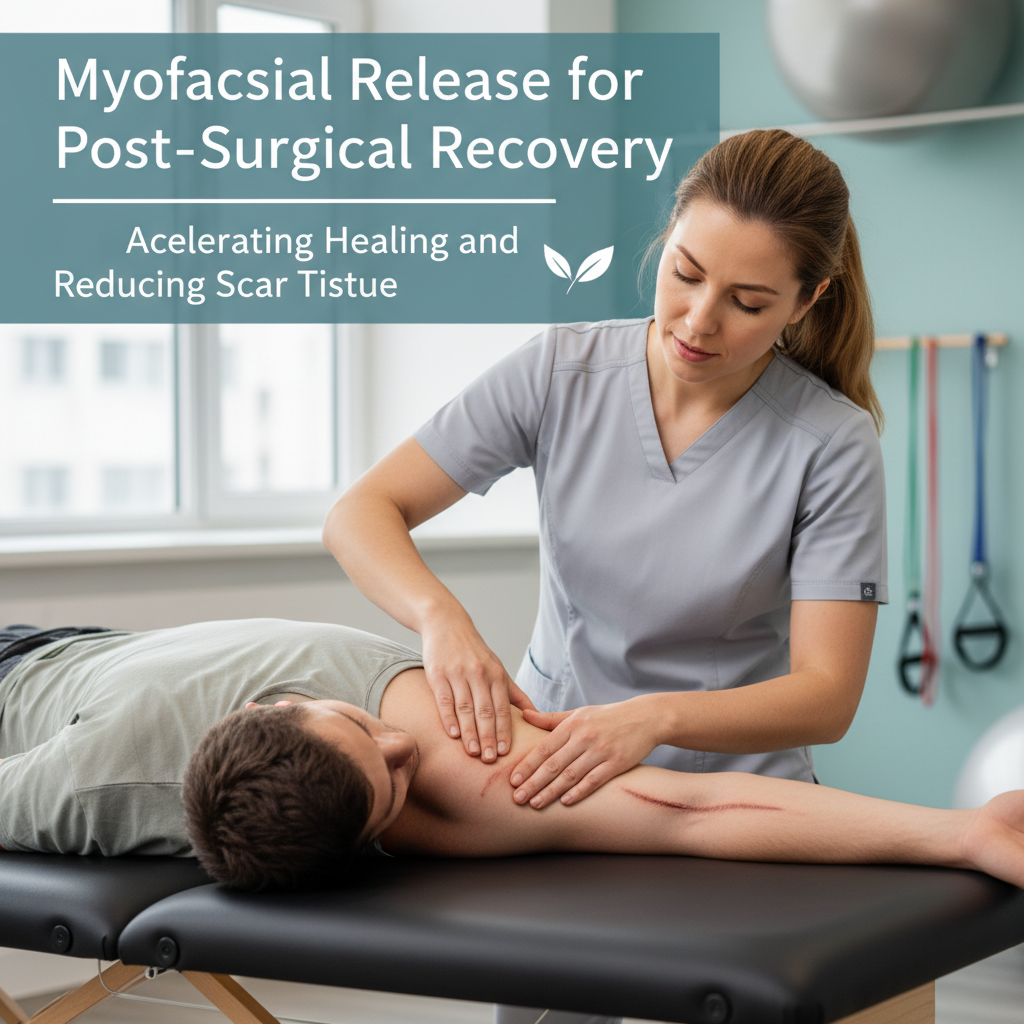
Myofascial release is a hands-on manual therapy that focuses on the fascia – the connective tissue that wraps muscles, nerves, and organs. It’s not just massage. The idea is to find tight, restricted areas in the fascial network and apply sustained pressure or slow stretches to encourage the tissue to lengthen and glide better. This helps tissue heal more cleanly after surgery, and it can reduce the tethering that forms when scar tissue sticks fascia to underlying structures.
How does myofascial release help post-surgical recovery?
Short answer: it can speed functional healing, reduce pain, and limit problematic scar tissue. Here’s how, step by step.
First, myofascial release improves circulation and lymphatic drainage near the incision (which helps remove inflammatory chemicals and reduce swelling). Second, it helps align collagen fibers during the early remodeling phase of healing, which means the scar becomes more pliable and less likely to form dense adhesions that restrict motion. And third, hands-on work retrains the nervous system so pain signals calm down faster, which lets patients move sooner and avoid secondary stiffness.
From what I’ve seen, patients who add targeted myofascial work to standard physical therapy often report less pulling around the incision and quicker gains in range of motion. The best part is – well, actually there are two best parts – less pain medication use, and better return to daily activities.
When should myofascial release start after surgery?
Timing matters. Start too early and you risk disrupting healing tissues, start too late and adhesions become entrenched. So here’s the deal: get clearance from the surgeon first. Once the incision is closed and there’s no sign of infection, many clinicians begin very gentle, indirect myofascial work within 48 to 72 hours after surgery, especially for procedures like abdominal, breast, or orthopedic ops. For more invasive procedures or if the wound has complications, physical therapy often begins later, around 2 weeks or when the surgeon says it’s safe.
How do we choose exactly when to begin? We look for these signs: sutures or staples removed, wound edges approximated, no active drainage, and manageable pain. If any of those are absent, wait and reassess (and yes, that’s common).
What techniques are used in post-surgical myofascial release?
There are three practical categories of techniques used in post-op care: clinician-applied manual techniques, self-myofascial methods, and scar mobilization. Each has a role.
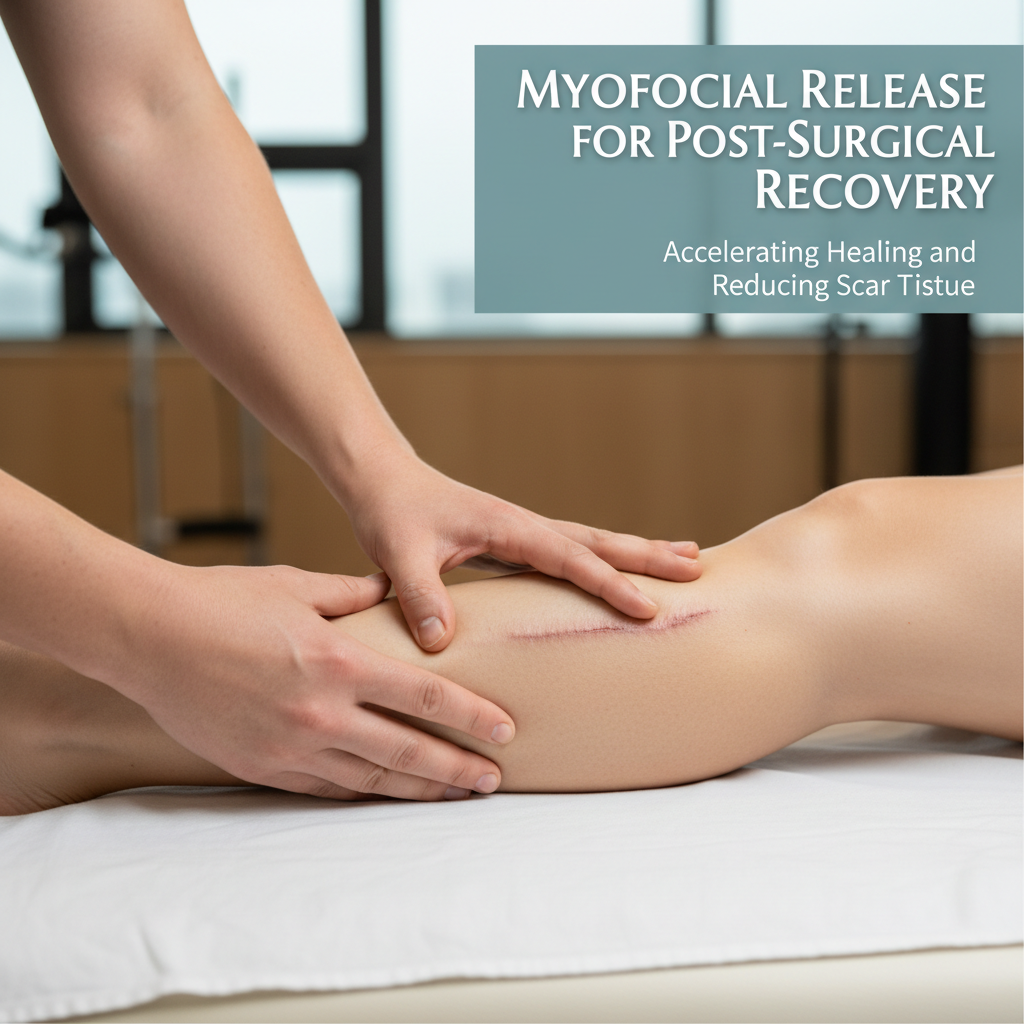
Clinician-applied manual techniques are slow, sustained holds and gentle skin-stretching that address deep fascial layers without stressing the incision. These are best for the first 2 to 6 weeks (again, with surgeon approval). Self-myofascial techniques use tools like a small ball or a soft foam roller to apply pressure and promote tissue glide around, but not directly on, fragile incisions. Scar mobilization is a specific set of movements and gentle friction applied directly to the healed incision once the skin is robust enough (usually after suture removal and when the surgeon agrees).
Look: you don’t want someone scrubbing at a fresh incision. The common mistake is too much pressure too soon. Gentle, targeted, and consistent wins here.
How often and how long should you do myofascial release?
Consistency beats intensity. For clinician sessions, 2 to 3 times per week for 4 to 8 weeks is an effective starting plan for many patients. For self-care, 10 to 20 minutes a day of gentle techniques around the scar (not directly on an open wound) helps maintain gains. I’d suggest shorter sessions more often rather than one long session that leaves tissue inflamed.
Why? Because fascial tissue responds to slow, repeated stimuli. Think of it like breaking in a pair of shoes, not racing a marathon.
What results should you expect, and how fast?
Expect gradual improvements. Many patients notice decreased tightness and improved comfort within 2 weeks of starting coordinated therapy and self-care. Functional gains like increased shoulder abduction after breast surgery, or improved hip flexion after joint surgery, often appear in 4 to 8 weeks. Scar texture and color continue to remodel for months, sometimes up to a year, but the mobility benefits are usually apparent much sooner.
This timeline varies. Age, nutrition, smoking status, diabetes, and the type of surgery all matter. So does how quickly you start moving, with guidance. There’s no miracle overnight fix. But when you combine myofascial release with targeted physical therapy exercises, outcomes are noticeably better, in my opinion.
What are the risks and contraindications?
Real talk: there are risks if you’re not careful. Don’t use myofascial release directly on an infected incision, an actively draining wound, or over an unhealed dehiscence. Avoid deep pressure if there’s suspicion of deep vein thrombosis, acute inflammation, or unstable implants. If you get sharp, shooting pain, increased redness, or bleeding after treatment, stop and contact your surgeon.
Precaution is the name of the game. That’s why coordination between the surgeon and the physical therapist is essential – it keeps you safe and avoids guesswork.
How to integrate myofascial release into a physical therapy plan
A good plan pairs manual myofascial techniques with progressive therapeutic exercises and education. Start with pain control and gentle mobility, then add targeted myofascial work to free up tissue, and finally progress to strengthening and functional retraining. For example, after abdominal surgery: begin with diaphragmatic breathing and gentle fascial gliding; progress to core activation and controlled bending; finish with task-specific movement like lifting a grocery bag safely.
Coordination matters. If your PT and surgeon aren’t on the same page, ask for a brief team check-in. It takes 5 minutes and saves headaches later.
Simple techniques you can try at home (with clearance)
Here are three basic methods patients commonly use once the incision is healed enough and their clinician approves. Start gentle and stop if anything sharp or worsening happens.
1) Skin gliding: Place fingertips gently on the skin beside the scar and slide the skin parallel to the scar for 30 seconds, rest, repeat 3 times. This encourages skin and superficial fascia to glide.
2) Ball mobilization: Use a soft massage ball under the tissue adjacent to the scar (not on an open incision). Apply light pressure and make small circular motions for 1 to 2 minutes. Move the ball slightly and repeat.
3) Scar friction: Once the scar is robust, use a fingertip to make gentle circular micro-movements directly over the scar for 30 to 60 seconds, 2 times a day. This can help realign collagen and keep the scar flexible (ask your clinician first).
Measuring progress: what to track
Track range of motion in degrees if you can, or use simple functional markers like how far you can reach, how long you can walk, or whether you can dress independently. Track pain on a 0 to 10 scale before and after sessions. Take a weekly photo of the scar (good for noticing texture changes you otherwise miss). Keep notes; small wins add up, and they’re motivating.
Evidence and when to be skeptical
There’s growing clinical support for myofascial approaches in post-op care, especially for improving mobility and reducing pain when combined with exercise. But not every protocol is evidence-based, and some aggressive techniques are just anecdote. So be skeptical of quick-fix promises and of anyone who tells you one technique will erase a scar overnight. Therapy is incremental. Consistent, guided work yields the best outcomes.
When to call your healthcare team
If you notice increasing redness, warmth, swelling, new drainage, fever, numbness, or worsening pain after therapy, call your surgeon or physical therapist. Also call if your wound opens or if you feel unusual vascular symptoms like sudden calf pain and swelling (possible DVT). These are not things to wait out.
How our team supports post-surgical myofascial care
If this feels overwhelming, our team can handle it for you. We coordinate with surgeons, assess wound readiness, tailor myofascial techniques to each stage of healing, and teach safe self-care you can actually stick with. We don’t cut corners, and we do prioritize practical outcomes like returning to work, hobbies, and sleep without nightly pain.
From what I’ve seen, that coordinated approach makes a measurable difference in recovery speed and patient confidence. If you want, start with a single consult and we’ll map out a safe, stepwise plan.
Frequently Asked Questions
What’s the difference between scar massage and myofascial release?
Scar massage focuses directly on the scar to improve texture and flexibility, usually once the skin is well healed. Myofascial release targets the surrounding fascial network to restore tissue glide and reduce deeper restrictions. They’re complementary, not interchangeable.
Can myofascial release prevent scar tissue?
No single therapy completely prevents scar tissue. But myofascial release can reduce the formation of dense adhesions and improve how the scar integrates with surrounding tissue, which often translates to fewer movement limitations.
Is myofascial release painful?
It shouldn’t be painfully sharp. You might feel pulling or mild discomfort as tissue shifts, but sharp shooting pain or increased pain afterward is a sign to stop. Good clinicians work in a pain-modulated window so you get benefit without setbacks.
How long will the scar keep changing?
Scar remodeling continues for up to 12 months or more, but the most meaningful mobility and pain changes usually happen in the first 8 to 12 weeks with consistent therapy.
Do I need a referral from my surgeon to start physical therapy?
Policies vary by region, but clinically, it’s best to get a surgeon’s clearance so PT can tailor timing and techniques to your specific surgical procedure and wound status. That said, many places allow direct access to physical therapists for initial assessment.